
Samozamykacze

Hydrauliczny samozamykacz do drzwi – drzwi przeciwpożarowe i do użytku domowego, cichy, automatyczny samozamykacz do drzwi przesuwnych i wahadłowych

Odbojnik do drzwi automatyczny zamek Lockpestillo Puerta Porta Retratil Closingtope De Ferme Porte Automatique Home Improvement

Przenośny stoper do drzwi z blokadą bezpieczeństwa dla kobiet – blokada drzwi antykradzieżowa do użytku domowego, w podróży i w hotelu
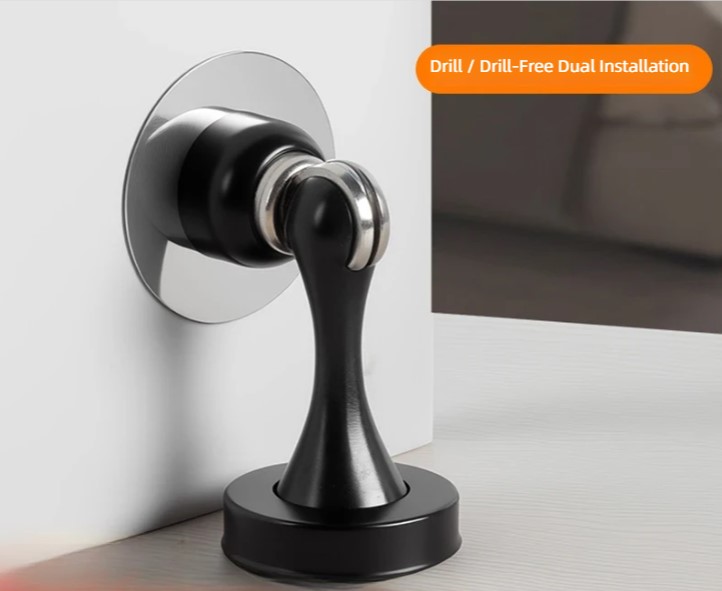
Magnetyczny ogranicznik drzwi ze stali nierdzewnej 304, uchwyt antykolizyjny, ogranicznik drzwi o podwójnym zastosowaniu, bez wiercenia i wiercenia
Door Closers: The Perfect Force for Every Door
A door that slams is an annoyance. A door that stays open is a security risk. A door that closes too slowly feels draughty. The solution to all three problems is the same: a door closer. But not all closers are created equal. Choosing the right one depends on the door weight, the traffic volume, and the environment. Whether you are fitting out a commercial building, upgrading your home, or working on a tight budget, here is exactly what you need to know to get a perfect, controlled close every time.
For Commercial & High-Traffic Environments: Heavy-Duty Hydraulic Closers
If you manage an office, a school, a hotel, or a busy retail space, your doors take serious punishment every day. They are opened hundreds of times, pushed hard, and often left to swing. The heavy duty door closer is built for exactly this. Look for a hydraulic door closer with EN2-EN4 adjustable power ratings. These units use hydraulic fluid to control the closing speed, with adjustments for latching speed and backcheck. A cast iron body with a corrosion-resistant finish ensures it survives years of abuse. The commercial door closer should feature a non-turn valve system for smooth adjustment and a slide channel arm for a sleek appearance. These closers are fire-rated and comply with accessibility standards. They are the workhorses of the trade—reliable, adjustable, and built to outlast the building.
For Residential & Light Commercial Use: Home-Friendly Surface-Mounted Closers
A door closer home application is different. You want the door to close gently behind you, but you do not need the brute force of a commercial unit. A residential door closer with a smaller hydraulic cylinder and a lower spring tension is perfect. Look for an EN1-EN3 adjustable model that fits standard interior doors weighing up to 40kg. The surface mounted door closer is the most common type for homes. It mounts on the frame and the door face, with a telescopic arm that slides smoothly. For a cleaner look, choose a model with a slim profile and a white or silver finish that blends with the door frame. The closing speed and latch action are easily adjustable with a hex key. Your internal doors—bedroom, bathroom, office—will close silently, eliminating slams and improving energy efficiency by preventing heat loss.
For Budget-Conscious Projects & Lightweight Doors: Smart Value Options
You do not need to spend a fortune to get a controlled close. Entry-level door closer heavy duty models in smaller sizes offer excellent value for lightweight doors, cupboard doors, or gates. A basic door closer spring mechanism with a simple cam or friction arm costs a fraction of a full hydraulic unit. These are perfect for garden sheds, cabinet doors, screen doors, or low-traffic home interiors. The installation is straightforward: screw the brackets to the door and frame, hook the spring or sliding arm, and adjust the tension. For a light duty door closer, the key is matching the spring force to the door weight. A door that weighs under 20kg needs a light spring; anything over demands a stronger unit. Budget closers are also ideal for rental properties where you want a quick improvement without a major investment.
Choosing the Right Arm and Mounting
Beyond the power rating, the arm type matters. A slide channel door closer has a sleek appearance and works well on narrow frames. A scissor arm closer is more compact and ideal for limited space. A top jamb mount fits on the top of the frame, keeping the closer mostly hidden. For external doors, choose a weatherproof door closer with a sealed hydraulic system that prevents fluid leakage in extreme temperatures. Always check the door width and weight—a wide, heavy door demands a closer with a higher EN rating.
Installation and Adjustments
Fitting a door closer is a straightforward DIY job. Mark the template positions, drill pilot holes, and fix the brackets with the provided screws. Adjust the closing speed using the two valves on the cylinder body: one controls the main closing speed (60-180 degrees), the other controls the latch speed (final 10 degrees). The backcheck valve absorbs the force if someone pushes the door open too hard. A correctly adjusted closer takes about 5-7 seconds to close from 90 degrees, with a smooth, quiet finish.
The Right Closer for the Right Door
To summarise: For commercial high-traffic, choose a heavy duty hydraulic door closer with EN2-EN4 rating. For home use, pick a residential surface mounted closer with EN1-EN3. For lightweight doors and budget projects, a simple door closer spring or basic hydraulic model will do. Measure the door weight and width, check the frame clearance, and select the arm style that fits your space. A correctly chosen and fitted door closer transforms a noisy, draughty building into a peaceful, efficient space. Explore our range of door stops and door hinges for complete door hardware solutions that keep your home secure and comfortable.
 4.4 na 5 na podstawie 9,249 opinii