
Tłumacze językowi

Urządzenie tłumaczące Timekettle T1 AI – dwujęzyczny tłumacz konwersacji w czasie rzeczywistym i wielojęzycznych spotkań (tryb offline)

Wielojęzyczny tłumacz skanujący offline dla dzieci i dorosłych – przenośne urządzenie słownikowe z natychmiastowym rozpoznawaniem tekstu i wymową audio

GS Wear A15 Pro Smart Translator Device – wielojęzyczne tłumaczenie głosu i tekstu w czasie rzeczywistym do podróży, biznesu i codziennego użytku

Wielojęzyczny długopis skanujący A6s – tłumacz offline na język rosyjski, hiszpański, niemiecki, japoński i inne z dużym ekranem dotykowym

Inteligentne okulary Bluetooth GS17 z tłumaczeniem AI, ochroną UV i soczewkami polaryzacyjnymi – muzyka bez użycia rąk, rozmowy i ochrona przed słońcem

Zestaw słuchawkowy Bluetooth do tłumaczenia, bez zaczepu na ucho, z klipsem do ucha, typu OWS, bardzo długi czas pracy baterii, inteligentny, duży, cyfrowy wyświetlacz, zestaw słuchawkowy

Bezprzewodowy zestaw słuchawkowy Bluetooth do tłumaczeń z otwartym uchem, redukcja szumów, wielojęzyczne tłumaczenia

GPT 142 Tłumaczenie językowe Offline Tłumaczenie symultaniczne Tłumacz zdjęć Dokładny rosyjski i wietnamski
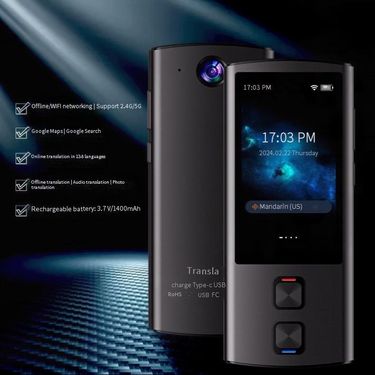
Urządzenie do tłumaczenia AI z natychmiastowym tłumaczeniem głosu i zdjęć, ponad 138 języków, Wi-Fi/offline, obsługa ChatGPT, przenośne do podróży i biznesu

Wielojęzyczny punkt dostępu WiFi F4A – przenośne urządzenie z ekranem dotykowym i systemem Android, z technologią Bluetooth, zasięgiem 10 m, kompaktowe i lekkie

Urządzenie tłumaczące AI A10 z trybem offline 4G, 5-calowym ekranem dotykowym i tłumaczeniem głosowym w czasie rzeczywistym do podróży i biznesu

Urządzenie T16 Smart Translator – 137 języków, tłumaczenie w czasie rzeczywistym, 10 trybów offline, niezbędne w podróży służbowej

Wielojęzyczne urządzenie tłumaczące Z9 – natychmiastowe tłumaczenie głosowe w ponad 100 językach, przenośny tłumacz podróżny i biznesowy z Bluetooth i ekranem dotykowym

Urządzenie do tłumaczeń symultanicznych offline, dokładny tłumacz 138 języków dla języka arabskiego, hiszpańskiego i innych

Wielojęzyczne urządzenie do tłumaczenia głosowego – 4,1-calowy inteligentny tłumacz Wi-Fi z trybem offline do podróży i biznesu

Urządzenie tłumaczące Timekettle T1 AI – dwukierunkowe tłumaczenie głosu i zdjęć w czasie rzeczywistym, tryb offline, globalny darmowy transfer danych, niezbędne w podróży i biznesie

Wielojęzyczne inteligentne urządzenie tłumaczące V200 – tłumaczenie głosowe offline w ponad 100 językach, konwersacja w czasie rzeczywistym, Bluetooth

Tłumacz Nowy Zestaw Słuchawkowy Bluetooth do Tłumaczeń Wielojęzycznych Nauka Podróży Tłumacz

Inteligentny biznesowy bezprzewodowy zestaw słuchawkowy Bluetooth do natychmiastowego tłumaczenia wielojęzycznego za granicą

Translator AI Smart Translation Bluetooth Headset Hot Selling Real Time Simultaneous Translation Headset
Language Translator Devices: Communicate Clearly, Wherever You Are
Have you ever found yourself nodding politely, hoping the other person didn’t just ask a question you completely missed? Whether it’s a taxi driver explaining a detour, a business partner clarifying details, or a local giving directions too fast to follow, language gaps have a way of turning simple moments into quiet stress. A language translator device exists for exactly these moments—not to replace human connection, but to make it possible.
Unlike translation apps that rely heavily on your phone, a dedicated translator device is designed for real-world use: clearer audio pickup, faster response, and a more natural back-and-forth flow. It’s about staying present in the conversation instead of staring at a screen.
From One-Way Translation to Real Conversations
Early translators focused on word-for-word conversion, often missing tone, context, or speed. Modern devices are different. They’re built to support two-way communication, adapting to how people actually speak—pauses, accents, and everyday phrasing included.
Many travelers and professionals now prefer hardware translators because they feel more reliable in unfamiliar settings. When your phone battery is low, notifications keep popping up, or internet access is unstable, a standalone device helps you stay focused on the person in front of you, not the tech in your hand.
Wearable Translators: Hands-Free, Effortless Interaction
For those who value freedom of movement, wearable options are changing how translation fits into daily life. AI translator earbuds allow you to listen and respond without interrupting the conversation flow. They’re especially useful in walking tours, informal meetings, or social settings where pulling out a device would feel awkward.
Another emerging option is translator glasses, which subtly display translated text within your field of vision. Instead of switching between listening and reading on a screen, you can maintain eye contact and absorb information naturally. This approach feels less intrusive and more human—particularly valuable in professional or cultural exchanges.
Visual Translation for Signs, Menus, and Documents
Spoken language is only part of the challenge. Street signs, contracts, menus, and handwritten notes often require visual input. Devices equipped with cameras and screens make it easier to translate text on the spot, without typing everything manually.
Some models integrate well with accessories like bluetooth smart glasses, allowing translations to appear discreetly while keeping your hands free. This setup is especially practical in environments like conferences, exhibitions, or guided visits where information comes fast and from multiple sources.
Designed for Travel, Not Just Translation
A translator is only useful if it works when you need it. Battery life, charging options, and portability matter more than people often realize. When moving between countries, voltage differences and plug types can quickly become a problem. Pairing your device with universal travel adapters ensures it stays powered throughout your journey—because a translator with no battery is just extra weight in your bag.
Portability also means durability. Many devices are designed to handle frequent handling, quick packing, and on-the-go use, making them a practical companion rather than a fragile gadget.
Precision Input for Names, Technical Terms, and Handwriting
Not every word is easy to say or spell aloud. Proper names, addresses, technical terms, or signatures often require manual input. Translator devices with touchscreens support handwriting recognition, which can be far more accurate for these cases.
Using stylus pens with compatible devices allows for precise input, especially when dealing with unfamiliar alphabets or complex characters. It’s a small detail, but one that makes a noticeable difference in accuracy and confidence during important interactions.
Who Are Language Translator Devices Really For?
They’re not just for tourists. International students use them to follow lectures and group discussions. Professionals rely on them during cross-border meetings. Even everyday travelers appreciate the independence that comes from understanding and being understood without constantly asking for help.
More importantly, these devices reduce the emotional barrier of language anxiety. When you’re not worried about misunderstanding, you’re more open, more curious, and more engaged with the world around you.
Making Communication Feel Natural Again
At their best, language translator devices fade into the background. They don’t dominate the interaction; they support it. Whether you prefer a compact handheld model, a wearable solution, or a screen-based translator for visual input, the right device helps conversations feel smoother and more human.
Because in the end, translation isn’t just about words—it’s about confidence, clarity, and the freedom to connect wherever you are.
 4.4 na 5 na podstawie 9,249 opinii