
Lampy błyskowe i akcesoria
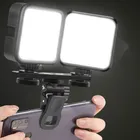


Kieszonkowy mini klips do telefonu dla streamerów, trójkolorowe światło otoczenia RGB, przenośne światło wypełniające do fotografii

Transgraniczny przenośny telefon komórkowy LED Beauty Model Photo Video Dedykowana fotografia Wypełnij tofu Kieszonkowa lampa

Mobilna transmisja na żywo Fotografia Wypełnianie Ręczne Przenośne Oświetlenie do Selfie na Zewnątrz Wielofunkcyjne Akumulatorowe Piękno

Miniaturowy przenośny telefon do transmisji na żywo, fotografia selfie, ręczny pierścień do upiększania

Lustro akumulatorowe, transmisja na żywo, piękno LED, wielopoziomowa regulacja, wielofunkcyjne światło wypełniające, mini przenośne

Streaming Beauty Ring Live Tripod Stand Mobilna lampa LED

Przenośny, przenośny, magnetyczny, wypełniający telefon komórkowy, oświetlenie do selfie na żywo, regulowane światło

Uniwersalna lampa błyskowa Speedlite GN40 firmy Andoer z uchwytem do lampy wypełniającej LED do aparatów Canon Nikon Olympus Pentax DSLR

Przenośny Mini przenośny Wypełniacz Fotografia Telefon Transmisja na żywo Oświetlenie Jedzenie LED Atmosfera Światło Kompaktowy Na zewnątrz

Telefon komórkowy Kangying, dedykowany, przenośny, kieszonkowy, do fotografii tofu RGB, transmisja na żywo, światło wypełniające

Lampa wypełniająca do telefonu komórkowego o pojemności 2200 mAh z podwójną temperaturą barwową, miniaturowa, przenośna i odpowiednia do wideokonferencji, obrazów aplikacyjnych do transmisji strumieniowej na żywo

Oświetlenie wypełniające do transmisji na żywo, prezentacje Beauty Hosts, stojak podłogowy, oświetlenie RGB Soft do fotografii, zdjęcia influencerów z oświetleniem otoczenia

Telefon komórkowy Mini przenośna lampa błyskowa LED zewnętrzna do makijażu selfie oświetlenie twarzy transmisja na żywo światło wypełniające

Lampa fotograficzna LED do transmisji na żywo, kieszonkowa, RGB

Transgraniczny nowy model telefonu, wypełnienie magnetyczne, transmisja na żywo, nagrywanie, ręczny, piękno, przenośny, kieszonkowy, do selfie

Mini, przenośna lampa LED Tofu Pocket z funkcją wypełniania światłem RGB i funkcją selfie na żywo

Magnetyczna lampa do selfie, lusterko do selfie, gadżet wspomagający fotografowanie, przenośny klips do robienia zdjęć, lampa do chodzenia nocą, latarka

Popularny przedmiot, 6-calowy, do transmisji na żywo, fabryczny, pierścień, statyw fotograficzny, 16 cm, oświetlenie
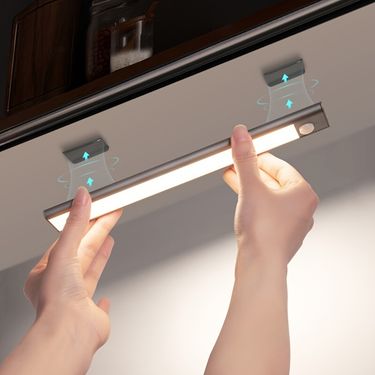
1 lampa szafkowa z czujnikiem ruchu LED, odłączana, IP20, odpowiednia do szaf, pomieszczeń gospodarczych, kuchni, schodów, korytarzy - bateria litowa 800 mAh

Pierścień LED Transmisja na żywo Wideokonferencja Selfie Fotografia Miękki kwadrat Piękno Pełny ekran Wypełnij światło
Camera Flash: When Light Becomes the Difference
Most photos don’t fail because the camera is bad.
They fail because the light isn’t there.
Indoor scenes, evening streets, backlit faces, small rooms with uneven lighting—this is where a camera flash quietly steps in. Not to make photos look “flashy,” but to bring details back where your eyes already see them.
Used well, a flash doesn’t announce itself. It simply fixes what natural light can’t.
Why Built-In Flash Often Isn’t Enough
Many cameras come with a built-in flash, and most people try it once or twice—then avoid it. The light is harsh. Shadows fall straight behind the subject. Skin tones look flat.
That’s not because flash is bad. It’s because small, fixed flashes give you no control.
An external flash for camera changes that completely. It gives you distance, direction, and flexibility. You can angle the light, soften it, or move it away from the lens so the image feels natural instead of forced.
Once you see the difference, it’s hard to go back.
More Control, Better Results
External flashes are popular because they adapt to different situations instead of forcing the same light every time.
You can brighten a face without blowing out the background.
You can lift shadows without flattening texture.
You can shoot indoors without turning the room into a white wall.
For portraits, product shots, events, or casual indoor photography, having control over light is often more important than upgrading the camera itself.
That’s why flash is usually one of the first accessories people keep using long-term.
Small Size, Big Improvement
Not everyone wants to carry large gear. That’s where a mini flash for camera fits in.
Mini flashes are designed for portability. They’re lightweight, quick to mount, and easy to store. Perfect for travel, daily shooting, or compact setups where space matters. They pair naturally with lighter cameras and even smaller systems without making the setup feel heavy.
If you’re using a compact digital camera, a mini flash can dramatically improve indoor and low-light shots without changing how you normally shoot.
It’s one of the simplest upgrades with the most visible payoff.
Flash Isn’t Just for Dark Rooms
A common misconception is that flash is only for nighttime. In reality, many photographers use flash during the day.
Outdoor portraits with strong sunlight.
Backlit subjects.
Scenes with harsh shadows under eyes or chins.
In these cases, flash doesn’t overpower the scene—it balances it. A gentle burst of light fills in shadows and brings faces forward, while still keeping the natural environment intact.
Good flash use is subtle. You notice the photo feels better, not why.
Stability Still Matters
Light helps, but stability completes the shot. Using a flash often means slower shutter speeds or more deliberate framing. Pairing a flash setup with tripods gives you consistency, especially for indoor scenes, product photos, or repeat shots.
A stable camera lets the flash do its job without introducing motion blur or framing shifts. Together, they make shooting feel calmer and more predictable.
Building a Flexible Flash Setup
Flash works best as part of a system, not a single item. That’s why many users gradually add flash accessories—diffusers, mounts, or cables—to shape and soften light based on their needs.
You don’t need everything at once. Even one simple accessory can change how light spreads across a subject, making results look more polished without complicated settings.
The key is flexibility: light that adapts to your space, not the other way around.
A Tool You Grow Into
Flash isn’t something you master in a day. And it doesn’t need to be. Most people start by using it occasionally—then more often—once they realize how much control it gives them.
It works across different cameras, styles, and skill levels. You don’t outgrow it quickly, and it doesn’t lock you into one way of shooting.
That’s why a camera flash remains one of the most practical additions to any camera setup. It doesn’t replace creativity—it supports it, especially when light isn’t on your side.
When used thoughtfully, flash doesn’t change the moment.
It simply helps you capture it the way you saw it.