
Gogle vr/ar


Okulary z kamerą AI, aparat 13 megapikseli, obsługa nagrywania wideo/tłumaczenia AI, transmisja Wi-Fi

Okulary VR 3D do wirtualnej rzeczywistości na iPhone'a, smartfon z systemem Android, telefon komórkowy, kask, zestaw słuchawkowy z prawdziwymi soczewkami i goglami

Okulary wirtualnej rzeczywistości VR Shinecon 6.0 Casque 3D Gogle 3D Zestaw słuchawkowy Kask do iPhone'a Android Smartfon

Nadaje się do etui ochronnego Vision Pro VR Glasses TPU półprzezroczyste, odporne na uderzenia i odciski palców, o wysokiej przezroczystości

Twardy futerał Syntech, kompatybilny z Meta Quest 3/Oculus Quest 2/Vision Pro

Twardy futerał Syntech, kompatybilny z Meta Quest 3/Oculus Quest 2/Vision Pro
Okulary z kamerą AI, aparat 13 megapikseli, obsługa nagrywania wideo/tłumaczenia AI, transmisja Wi-Fi
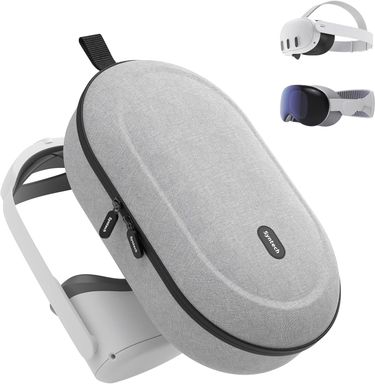
Twardy futerał Syntech, kompatybilny z Meta Quest 3/Oculus Quest 2/Vision Pro.

Okulary 3D Qianhuan szóstej generacji G04E/A do gier VR, kontroler gier mobilnych

Kask VR Shinecon 10.0, okulary 3D, hełm wirtualnej rzeczywistości do smartfona, gogle do smartfona, zestaw słuchawkowy, lornetka do gier wideo
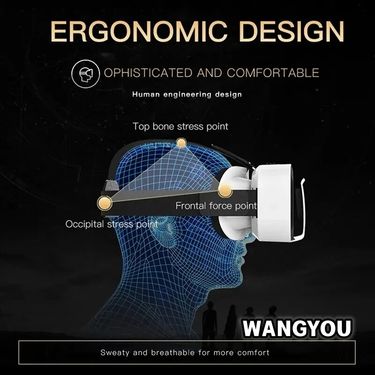
Nowości G05 3d shine con zestaw słuchawkowy do wirtualnej rzeczywistości montowany na głowie, regulowane okulary VR do smartfonów z systemem Android o przekątnej 4,76 cala

Okulary VR 3D, telefon, zestaw słuchawkowy do wirtualnej rzeczywistości, kask, inteligentne soczewki, gogle do smartfonów, słuchawki, zestaw do gier mobilnych

Okulary VR G15E IMAX 3D Movies, pudełko Google Cardboard, kask VR do telefonu 4,7-7", obsługa joysticka do gier

Okulary VR 3D Zestaw słuchawkowy do wirtualnej rzeczywistości Urządzenia Kask Soczewki Gogle Smart Do smartfonów Telefon Komórkowy Gra mobilna Zestaw przeglądarek
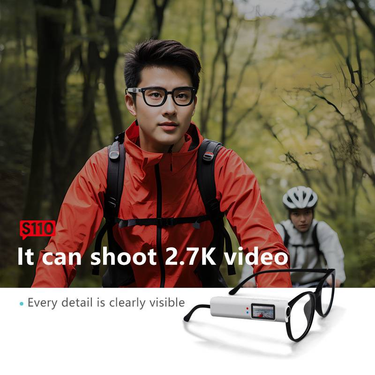
2K HD Eye Lens Noszony Rejestrator Nagrywający Artefakt Przenośna Kamera Życia Kamera Sportowa Na Zewnątrz

Okulary wirtualnej rzeczywistości VR Shinecon 6.0 Casque 3D Gogle 3D Zestaw słuchawkowy Kask do iPhone'a Android Smartfon Viar Lens

Okulary VR do wirtualnej rzeczywistości, zestawy słuchawkowe, urządzenia 3D, kaski, soczewki, inteligentne gogle do telefonów, smartfonów, przeglądarek komórkowych, urządzeń mobilnych

Kask VRGPro X7, okulary 3D do wirtualnej rzeczywistości, zestaw słuchawkowy VR do Google Cardboard 5-7' Mobile z oryginalnym pudełkiem

Okulary VR Shinecon 3D, wirtualnej rzeczywistości, gogle, zestawy słuchawkowe, inteligentne kaski, soczewki do telefonów komórkowych, smartfonów, przeglądarek

Spolaryzowane, pasywne, czarne okulary stereo H3 do kin telewizyjnych Real D 3D
Wearable Display Glasses: A Different Way to See and Use Information
Most screens demand your full attention. You stop what you’re doing, look down, swipe, tap, then return to reality slightly disconnected. Over time, that constant switching becomes tiring—especially when information is something you need alongside what you’re already doing.
This is where wearable display glasses come in. They’re not meant to replace your phone or computer. They exist for moments when information works better in front of you, not in your hands.
What Makes Wearable Displays Different from Regular Screens
Unlike phones or tablets, wearable display glasses don’t pull you out of your environment. The display sits within your field of view, allowing digital content to coexist with the real world. You glance, absorb, and move on—without breaking focus.
This is why these products are often grouped under extended reality products. Not because they’re about spectacle, but because they extend how you access information. Navigation cues, notifications, instructions, or visual content appear where you need them, when you need them.
The experience feels less like “using a device” and more like referencing something naturally.
Practical Uses Beyond the Hype
Despite the futuristic image, wearable display glasses are often used for very practical reasons. People turn to them when hands-free access matters, when multitasking is unavoidable, or when traditional screens feel inefficient.
For media consumption, video glasses offer a private, immersive viewing experience without needing a large physical screen. They’re commonly used during travel, long commutes, or shared spaces where a traditional display isn’t practical. Instead of holding a device, you simply wear the screen.
In work or technical environments, wearable displays help keep instructions or reference material visible while hands remain free. That simple shift can improve accuracy and reduce repeated interruptions.
A More Natural Way to Interact
Another reason interest in wearable displays keeps growing is interaction. Touchscreens aren’t always convenient. Voice, gesture, or minimal physical controls often feel more intuitive in these contexts.
Some setups pair naturally with systems like a voice command robot, allowing users to trigger actions or retrieve information without manual input. This reduces friction, especially when speed or safety matters.
The goal isn’t complexity—it’s reducing the number of steps between intention and action.
Customization and Accessories Matter
Comfort and adaptability play a huge role in whether wearable display glasses are actually used long-term. That’s why AR glasses accessories exist—not as add-ons for show, but as practical adjustments.
Accessories help improve fit, balance, charging convenience, or compatibility with other devices. Small tweaks can dramatically change how wearable a device feels over extended use. Without them, even advanced hardware can end up sitting unused.
People who use wearable displays regularly tend to treat them less like gadgets and more like personal tools—adjusted to suit their habits.
Not a Replacement, but an Extension
One common misconception is that wearable display glasses are trying to replace phones, monitors, or TVs. In reality, they work best as an extension of existing devices.
They complement screens rather than compete with them. You still use traditional displays for deep work or long sessions, but wearable displays step in when convenience, privacy, or hands-free access matters more.
This mindset shift—using them selectively rather than constantly—is often what makes the experience click.
Who These Glasses Make Sense For
- Consume visual content in situations where holding a screen is inconvenient
- Need quick access to information without breaking focus
- Value privacy in shared or public environments
- Prefer tools that adapt to their workflow instead of demanding attention
- When used this way, they feel less like experimental tech and more like a practical upgrade.
Seeing Information, Without Losing the Moment
The real appeal of wearable display glasses isn’t novelty—it’s continuity. You stay present in what you’re doing while still accessing what you need.
As extended reality products continue to evolve, the most successful ones won’t be the flashiest. They’ll be the ones that quietly fit into everyday life, making information easier to see without making the world harder to experience.