Podpory i klatki dla roślin

Namiot do uprawy roślin hydroponicznych Garden Supplies 600D Oxford Cloth Indoor Cultivation
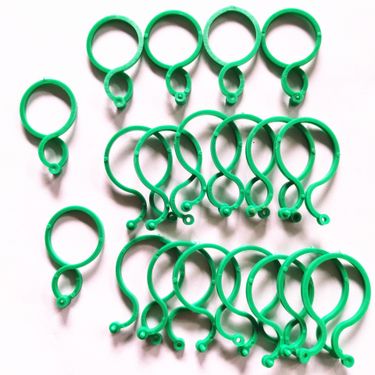
100 szt. klipsów do mocowania winorośli ogrodowej 2 rozmiary uchwyt na pierścień klamrowy do roślin pomidorowych stojak na rośliny ogrodowe narzędzie akcesoria do dekoracji ogrodu

1 opakowanie, 2-poziomowa metalowa półka na rośliny, wysoka, do dekoracji wnętrz i na zewnątrz

Stojak na doniczki z kutego żelaza, półka na kwiaty, stojak do ogrodu wewnętrznego, kolor czarny

1 szt. Podniesiona tkanina ogrodowa kwadratowa torba ogrodowa do uprawy kwiatów torba do sadzenia warzyw doniczka szkółkarska z uchwytami do roślin

Akcesoria ogrodowe Truskawka Trójwymiarowy stojak uprawowy Uchwyt do sadzenia Kwadratowa doniczka Uchwyt do uprawy Taca Anty-Gnicie Hydroponiczny

30/40CM Ogrodowa roślina wspinaczkowa stojak na doniczki kwiatowe rama wspornikowa składana kombinowana botaniczna kratownica pnąca stojak na rośliny winorośli

Europejski styl balkonowy żelazny stojak na kwiaty doniczkowy do zawieszenia na zewnątrz doniczka stojak na doniczki wiszący na oknie

Stojak na doniczki z kutego żelaza, półka na kwiaty, stojak do ogrodu wewnętrznego, kolor biały
1 opakowanie, 2-poziomowa metalowa półka na rośliny, wysoka, do dekoracji wnętrz i na zewnątrz

8 sztuk metalowy stojak na rośliny doniczkowe kratka warzywna półka roślina kwiat wspinaczka wsparcie winorośli słupek stały balkon szklarnia narzędzie ogrodnicze

Wiszące stojaki na rośliny, balkon, okrągły stojak na doniczki, poręcz, ogrodzenie, do wysyłki na zewnątrz, stojak na doniczki
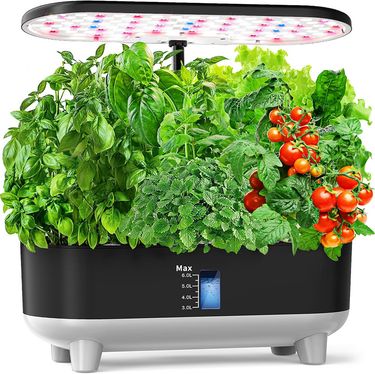
Inteligentna maszyna do sadzenia hydroponicznego Inteligentna doniczka do uprawy bezglebowej w pomieszczeniach Artefakt do wypełniania światłem w pomieszczeniach

Domowy ogród Maszyna do sadzenia hydroponicznego Inteligentna maszyna do sadzenia Wielofunkcyjne sadzenie w pomieszczeniach Światło do wypełniania sadzonek

97 * 120 cm Ogrodzenie Ogrodowe Do Roślin Pnących, Zielona Kratka Ogrodnicza Do Pnączy, Rama Wsporcza Do Wzrostu Kwiatów

20 szt. klipsów do mocowania roślin wielokrotnego użytku uchwyt do szklarni ogrodowej do mocowania roślin winorośli łodyga sadzonki akcesoria ogrodowe
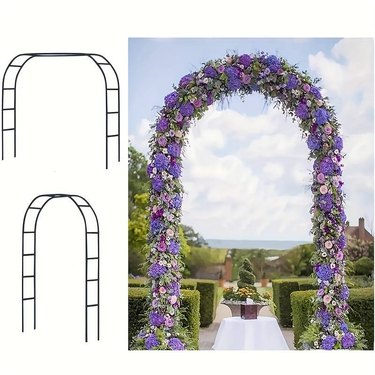
Stojaki na kwiaty do ogrodu, wsporniki do roślin pnących, metalowe łuki dekoracyjne na wesela i przyjęcia urodzinowe
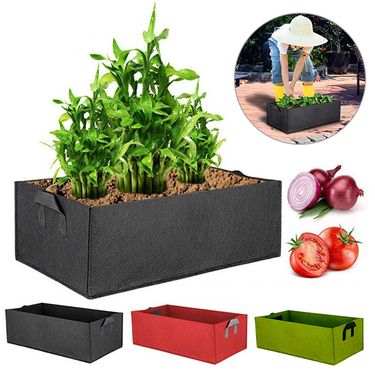
Filcowa torba do uprawy w kształcie prostokąta, doniczka do sadzenia w szkółce, torba do sadzenia kwiatów ogrodowych z uchwytem, pojemnik do sadzenia warzyw

Pionowa wisząca torba do sadzenia, pogrubiona, czarna, do montażu na ścianie, do dekoracji ogrodu, ogrodzenia, torba na żywność, filcowa torba na rośliny
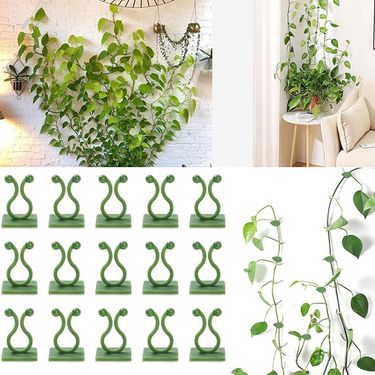
30 szt. klipsów do mocowania roślin do ścian wspinaczkowych, samoprzylepny hak rattanowy, niewidoczny klips do wiązania ogrodu, klejący klips ścienny
The Tomato Cage: For Heavy, Determined Growers
Tomatoes are the most common candidate for support, but they are also the most demanding. A flimsy wire ring will not hold a fully grown indeterminate variety laden with fruit. You need a heavy duty tomato cage—thick-gauge metal, wide at the base, tall enough to accommodate a plant that can reach six feet.
The cage works by enclosing the plant completely. The branches grow through the rings, which hold them upright without the need for constant tying. This is the set it and forget it of plant supports. Install it when the plant is young, and it will grow into the cage naturally. To protect your emerging seedlings from pests before they reach this stage, repellents offer a gentle deterrent.
The Single Stake: For Focused, Vertical Growth
If you are growing a single stem plant—a standard rose, a chilli pepper, a young fig tree—a garden plant support stake is the most efficient solution. One straight rod driven into the soil, one soft tie attaching the stem. That is it.
The key is the tie. Use a soft, adjustable plant tie that expands as the stem thickens. A rigid wire will cut into the bark over time. An adjustable plant tie with buckle gives the stem room to grow while keeping it perfectly vertical. For those supporting vining vegetables against the fence, garden netting provides an excellent climbing surface.
The Trellis: For Climbers and Spreaders
Climbing plants—sweet peas, clematis, runner beans, cucumbers—need a surface to cling to. A garden trellis support for climbing plants provides that surface. The plant sends out tendrils that wrap around the trellis rungs, pulling itself upward without any help from you.
Trellises work best when installed before the plant begins its main growth spurt. a trelli placed after the plant is already sprawling is difficult to thread through without breaking stems. Plan ahead.
The Moss Pole: For Indoor Climbers
Indoor climbing plants like monstera, pothos, and philodendron grow differently from outdoor climbers. They produce aerial roots that seek out rough, moist surfaces to attach to. a mos pole for indoor climbing plants replicates this natural environment.
The pole is wrapped in moss or coir, which the aerial roots can penetrate. Keep the pole slightly damp, and the roots will grip it naturally. The result is a plant that grows upward with large, mature leaves, rather than trailing downward with smaller ones.
The Plant Support Ring: For Floppy Perennials
Peonies, delphiniums, dahlias—these plants grow tall and top-heavy. A single stake often fails because the stem bends above the tie point. The solution is a perennial plant support ring: a metal ring on three legs that surrounds the plant.
Install the ring early in spring, before the plant has grown more than a few inches. The stems grow up through the ring, which holds the entire clump together. By flowering time, the support is invisible, hidden within the foliage. For extreme weather protection during early growth, plant covers can shield your tender perennials from frost.
- Bamboo: 1-2 seasons, best for annuals and light climbers, watch for splitting in dry weather
- Metal (coated): 5+ seasons, best for heavy perennials and tomatoes, watch for rust if coating chips
- Plastic: 2-3 seasons, best for indoor plants and light annuals, becomes brittle in sun
- Wood: 3-5 seasons, best for borders and decorative obelisks, watch for rot if untreated
Match the support to the plant's natural growth habit. A tomato wants to be enclosed. A sweet pea wants to climb a vertical surface. A peony wants to be held together as a clump. Give each plant the support it was designed for, and it will reward you with effortless growth.
A plant cage or support is not a cage at all. It is a framework for flourishing.