Produkty na sen i chrapanie

Plastry na sen z motywem roślinnym Ximonth, delikatnie dbają o spokojną noc i komfortowy sen. Urocze plastry na sen z motywem kreskówek

Plaster nasenny EELHOE łagodzi drażliwość, lęk, bezsenność, poprawia jakość snu i poprawia jakość snu

Urządzenie przeciw chrapaniu South Moon Zapobiega chrapaniu w nocy Korekcja pomaga w zasypianiu Zapobiega chrapaniu Pielęgnacja oddychania przez nos
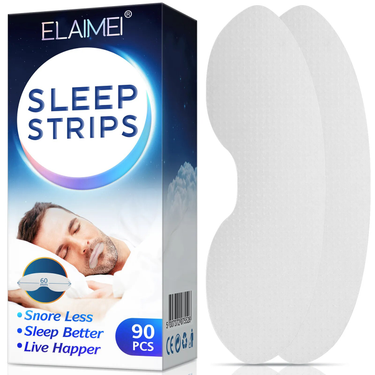
Elaimei Anti Snoring Sleeping Strips Jednorazowa miękka taśma do lepszego oddychania przez nos Zmniejsza suchość w ustach i ból gardła

Plaster Ximonth Night Comfort – przyjazny dla skóry materiał, oddychający krój, delikatne składniki, wygodny plaster do pielęgnacji ciała

Plastry nasenne Ximonth delikatnie chronią ciało, zapewniając spokojny sen i dobry sen

EELHOE Open Breathing Close Mouth Anti Snoring Care Sleep Adult Snoring Stop Mask

Taśma uszczelniająca przeciw chrapaniu Otwarta opaska do oddychania podczas snu z zamkniętymi ustami

Plaster na chrapanie Ximonth, plaster na chrapanie, który pomaga w zasypianiu i łagodzi chrapanie w nocy

Plaster do nosa Ximonth przeciw chrapaniu, na noc, zapobiegający chrapaniu, łagodzący dyskomfort nosa, zapobiegający suchości w ustach i chroniący sen

OceAura Magnesium Oil Soothing Spray, Codzienny kojący dyskomfort ciała, pielęgnacja na noc, odżywka do skóry w sprayu

1 szt. Pasek dziecięcy zapobiegający chrapaniu, rozwiązanie przeciw bezdechowi szczękowe, wsparcie dla kobiet i mężczyzn, narzędzia do osobistej opieki zdrowotnej

Plaster nosowy South Moon Ventilation koryguje oddychanie przez usta, zapobiega chrapaniu, zapobiega chrapaniu, fizyczna rozszerzalność plastra nosowego zapobiega chrapaniu

120 szt. Pasek na usta dla lepszego oddychania przez nos, lepszy sen w nocy, mniej oddechu przez usta i chrapania

Ochraniacz na zęby Oralhoe zapobiegający chrapaniu, zapobiega chrapaniu w nocy, pielęgnacja zębów trzonowych, aparat ortodontyczny zapobiegający chrapaniu

Plaster przeciw chrapaniu Ximonth, plaster przeciw chrapaniu, pielęgnacja nocna, wentylacja fizyczna, plaster przeciw chrapaniu

Plasterek na dobranoc z olejkiem eterycznym Ximonth Pamper pomaga szybko zasnąć i łagodzi stres, zmęczenie i dyskomfort w ciele Plasterek na dobranoc Ximonth pomaga szybko zasnąć i łagodzi dyskomfort w ciele Plaster na dobranoc Ximonth

Southmoon Tea Tree Oil Sleep Spray Olejek z drzewa herbacianego Magnez Relaksujący nawilżający spray do ciała na noc
![Pasek na brodę przeciw chrapaniu [ulepszony], Vosaro Snoring Solution, skuteczne urządzenie przeciw chrapaniu, regulowana i oddychająca opaska na głowę zapobiegająca chrapaniu dla mężczyzn i kobiet_voghion.com](https://g-images-process.voghion.com/?bucket=voghion&resize=%7B%22width%22%3A375%7D&image=productImages%2F2155b021a2e4d247297c2e5fe9e9d960_voghion1500x1497.jpg&fe=20250304)
Pasek na brodę przeciw chrapaniu [ulepszony], Vosaro Snoring Solution, skuteczne urządzenie przeciw chrapaniu, regulowana i oddychająca opaska na głowę zapobiegająca chrapaniu dla mężczyzn i kobiet

Inhalator do nosa Ximonth, łagodzący zatkany nos i dyskomfort w ciele, oczyszczający nos i łagodzący objawy cukru, opieka zdrowotna
Sleep & Snoring Aids: 5 Ways to Sleep Quieter and Wake Fresher
You know that moment — the room is quiet, everyone’s drifting off, and suddenly the sound begins. At first, it’s just a low hum. Then it grows. The blanket rustles, someone sighs, and another night’s peace quietly slips away.
If you snore, you’ve probably tried to joke about it. But deep down, you know how frustrating it feels — waking up groggy, throat dry, and your partner halfway across the bed. The good thing is, you don’t always need medical devices or complex solutions. Sometimes, it’s about finding small, simple habits that let your body breathe the way it wants to.
Try Sleeping on Your Side — The Easiest Change That Works
Back sleeping feels comfortable, but it’s also the position most likely to trigger snoring. When you lie flat, gravity pulls your tongue and soft palate backward, narrowing your airway. The fix? Learn to side-sleep.
Start with a side-sleep pillow that gently supports your head and keeps your spine aligned. Look for one with memory foam or contour shaping, so your shoulder doesn’t sink and your neck stays relaxed. A slight elevation under your chin can also help your jaw stay in a more open position, keeping air moving smoothly.
If you tend to roll back during sleep, try hugging another pillow or using a small back-support cushion to keep you comfortably turned to the side.
Clear the Nose, Calm the Sound
Sometimes the snoring isn’t really from the throat — it’s from your nose struggling to pull air through. If you’re congested, your body switches to mouth breathing, and that’s when the noise starts.
A simple nasal strip for snoring can do wonders. It gently lifts the sides of your nose, helping you breathe more freely without forcing anything. Apply it just before bed on clean, dry skin. If your room tends to feel dry or dusty, that can also make things worse — a bedroom humidifier adds light moisture to the air, so your nasal passages stay comfortable through the night.
It’s a small environmental tweak, but many snorers notice an improvement within days.
Strengthen What Supports You
Snoring can also come from weak mouth or throat muscles that relax too much during sleep. You don’t need special workouts — even chewing slowly or singing regularly can help strengthen the area.
An anti snore mouthpiece (non-medical type) can also be a gentle trainer. It slightly adjusts your jaw’s position, keeping your airway open and helping your body learn better breathing posture over time. If you try one, look for soft materials and an adjustable fit. The goal isn’t pressure — it’s subtle guidance.
Pay Attention to the Little Things
Your evening routine plays a quiet but powerful role. Heavy dinners, alcohol, or staying up late all tighten the cycle of poor sleep and louder snoring. A lighter meal, some stretching, and good hydration go a long way.
If you like tracking your progress, smart health watches can give helpful insight into how often you wake or change positions during the night. You don’t need to obsess over the data — just use it to understand what helps you rest better.
Make Your Bedroom a Breathing Space
Snoring often gets worse in dry or stuffy rooms. Clean your pillow covers regularly, avoid overly soft mattresses that sink your neck, and keep the air fresh. Scents like lavender or eucalyptus can also create a calmer breathing rhythm before bed.
If you share your bed, keeping a steady temperature and soft airflow benefits both of you — less tossing, more rest.
Know When to Ask for Help
Most mild snoring can be managed with these small lifestyle adjustments — sleep position, nasal comfort, and simple tools that help your breathing stay open. But if you’ve tried for a few weeks and still feel constantly tired, or your snoring seems to come with pauses in breathing, it’s time to speak to a doctor or sleep specialist.
Sometimes, snoring is just your body’s way of saying: “I need a little help.”
Sleep Is Personal — So Is Comfort
You don’t have to “fix” yourself overnight. Start small. Try a better pillow, open your airways, keep your room cozy and hydrated. The goal isn’t silence — it’s comfort, for you and everyone who shares your nights.
Because the sound of good sleep isn’t total quiet. It’s the sound of steady, peaceful breathing.